


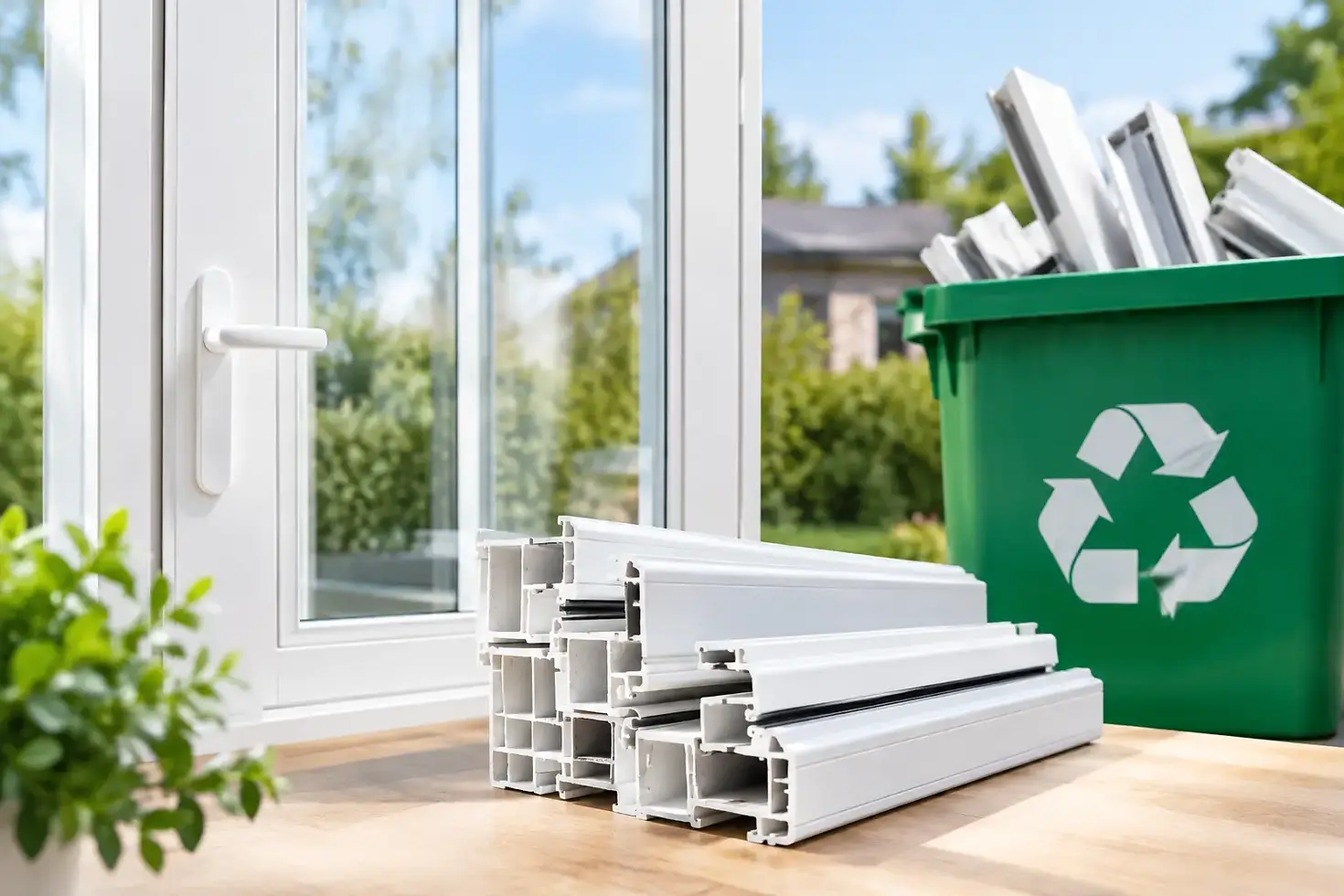
Are uPVC Doors Recyclable? A Homeowner’s Guide

When an old front or back door is coming out, the question is often practical: what happens to the bulky frame, glazed panels and fittings afterwards? The short answer to “are uPVC doors recyclable?” is yes, largely - but a responsible outcome depends on how the door is removed, separated and handled.
For homeowners replacing tired, draughty or damaged doors, recyclability is only one part of the decision. A well-specified replacement should also offer a long service life, improved insulation and security, so that the environmental benefit is not lost by needing another replacement sooner than expected.
Are uPVC doors recyclable in practice?
uPVC, also called PVCu, is a rigid plastic widely used for window and door frames. Unlike many mixed plastics found in household waste, it can be mechanically recycled. Old frames can be collected, cleaned, shredded and processed into granules or pellets, which are then used to make new building products.
In many cases, recycled uPVC is incorporated into the inner sections of a new frame profile, while the visible outer surfaces use virgin material for consistent colour and finish. This means a door frame may contain recycled material without compromising its appearance or expected performance.
However, an old door is not simply placed in a domestic recycling bin. Door sets contain several materials, and these need to be separated where possible. The level of recycling available can vary according to the installer, waste contractor and local facilities.
What parts of an old uPVC door can be recovered?
The uPVC frame is the main recyclable component. Modern frames are valuable as a material stream because they are durable and can be processed again into new profiles and related products.
Other parts may also be recovered, though through different routes. Steel reinforcement can be separated and recycled as metal. Handles, hinges, letterplates and locking mechanisms are commonly metal or mixed metal components. Glass units may be recyclable, but this depends on their type and whether they can be separated cleanly from seals, spacer bars and coatings. Rubber gaskets, foam, sealants and some decorative elements can be harder to recycle.
This is why the best result comes from a contractor that treats removed doors as a recoverable material, rather than general mixed construction waste.
How uPVC door recycling works
Once a door reaches a specialist recycling facility, the process generally starts with dismantling and sorting. Hardware, glazing, reinforcing steel and other non-uPVC materials are removed. The plastic frame is then broken down into smaller pieces and passed through equipment that helps separate remaining contaminants.
The clean uPVC is granulated into a consistent material that manufacturers can reuse. Recycling is not a one-time opportunity either. uPVC can be recycled more than once, helping keep material in use for longer and reducing demand for new raw plastic.
There are limits. Very old frames may have weathered surfaces, heavy contamination or materials that are difficult to separate. Coloured and foiled finishes can also affect how recycled material is used. These factors do not automatically make recycling impossible, but they can influence the final application.
Why recycling matters when replacing an external door
A replacement door project produces unavoidable waste. Frames are made to measure, glazing is heavy and old fittings rarely match the specification of the new installation. Sending a complete door to landfill wastes material that has a useful second life.
Choosing a recycling-conscious installation approach can reduce the amount of waste from the project. It also supports the wider circular use of uPVC, a material designed to cope with years of rain, changing temperatures and everyday use.
That said, recycling should not be used to make an unsuitable product seem sustainable. A poorly fitted door that allows draughts, sticks in changing weather or needs early repair is not a good long-term choice. Quality manufacture, correct surveying and careful installation matter just as much as what happens to the old frame.
The environmental trade-off: repair, reuse or replace?
Replacing a door is not always the greenest first step. If the frame is sound and the issue is a worn handle, failed lock, damaged hinge or draughty seal, a repair may extend its life with far less material use. A professional assessment can help distinguish between a door that needs attention and one that has reached the end of its useful life.
Reuse is more complicated. A whole external door is usually made to fit one opening, and its security, weather performance and glazing may no longer meet a new homeowner’s needs. Used doors can also be difficult to transport, store and guarantee. For these reasons, material recycling is often more realistic than reusing a complete old door.
Replacement becomes sensible when a door is warped, cracked, insecure, persistently draughty, badly faded, difficult to operate or fitted with failed double glazing. A modern, properly installed uPVC door can improve thermal comfort, reduce unwanted air leakage and make everyday access more reliable.
What to ask before booking a door replacement
It is reasonable to ask what will happen to your old door before work begins. A good installer should be able to explain their waste-handling approach clearly, including whether removed frames are separated for recycling where facilities allow.
You may also want to ask whether the quotation includes removal and disposal, particularly if the project involves side panels, glazed screens or an existing porch door. This avoids unexpected arrangements on installation day and gives you a clearer picture of the full service.
The new door specification deserves the same attention. Look at the quality of the frame system, reinforcement, locking hardware, glazing and weather seals, as well as the door’s thermal performance. A made-to-measure door that is correctly surveyed and fitted is more likely to stay secure, attractive and efficient for years.
For homes in SW London and Surrey, this can be especially worthwhile where older properties have non-standard openings or where a replacement needs to complement existing windows, brickwork and period features. Selecting the right colour, panel design and glazing can improve the front of the property without creating unnecessary future waste through a short-lived compromise.
Can you take an old uPVC door to a recycling centre?
Some household waste recycling centres accept uPVC frames or general construction waste, but the rules differ between councils and sites. A centre may accept the door but still send it into mixed waste, rather than a dedicated uPVC recycling stream. It is worth checking beforehand, particularly if you are arranging your own removal.
Do not break glazed units or try to dismantle a door without suitable tools and protective equipment. Toughened or double-glazed panels can be hazardous when damaged, while heavy frames and steel reinforcement can be awkward to handle. Professional removal is usually safer and more likely to allow useful materials to be sorted properly.
Avoid putting door sections into ordinary kerbside bins or leaving them for an unlicensed waste collector. Proper disposal is part of a well-managed home improvement project, not an afterthought.
Choosing a door built for the long term
Recycling is most effective when it sits alongside longevity. uPVC doors are popular because they are low maintenance, weather-resistant and available in designs that suit both contemporary and traditional homes. They do not need regular painting, and routine cleaning with mild soapy water is usually enough to keep the frame looking presentable.
Their performance still depends on product quality and installation. The door needs to be square in the opening, correctly sealed around the perimeter and adjusted so that it closes evenly. Hardware should operate smoothly, and the glazing should be specified for the door’s position and your privacy, security and insulation needs.
At Filus, this starts with understanding the property and the homeowner’s priorities before recommending a made-to-measure solution. That careful approach helps avoid the false economy of fitting a door that looks acceptable on day one but does not perform well over time.
An old uPVC door does not have to become waste at the end of its life. Ask how it will be removed, choose a replacement designed to last, and you can make a practical home upgrade with less material going to waste.


Comments