


Best Conservatory Insulation Options for UK Homes

A conservatory that is bitterly cold in January and uncomfortably hot by late spring is not earning its place in the home. The best conservatory insulation options can make a marked difference, but the right answer depends on the roof design, the condition of the existing glazing and how you want to use the room.
For many homeowners, this is not simply about retaining heat. It is about turning a space used only on mild days into somewhere the family can enjoy for breakfast, work, reading or entertaining throughout the year. A careful assessment before any work begins helps avoid spending money on an upgrade that solves only part of the problem.
Why conservatories lose so much heat
A traditional conservatory has a large area of glass or polycarbonate, particularly overhead. Warm air rises, so a poorly performing roof can allow heat to escape quickly in winter. In summer, direct sunlight passes through the roof and glazing, raising the temperature faster than opening a window can relieve it.
Older conservatories can also suffer from draughts around opening windows, doors and roof connections. Single glazing, tired seals and inadequate ventilation all affect comfort. This is why fitting insulation to one surface is not always the whole solution. The roof is usually the first place to investigate, but the frames, glass and airflow matter too.
Best conservatory insulation options compared
Internal roof insulation
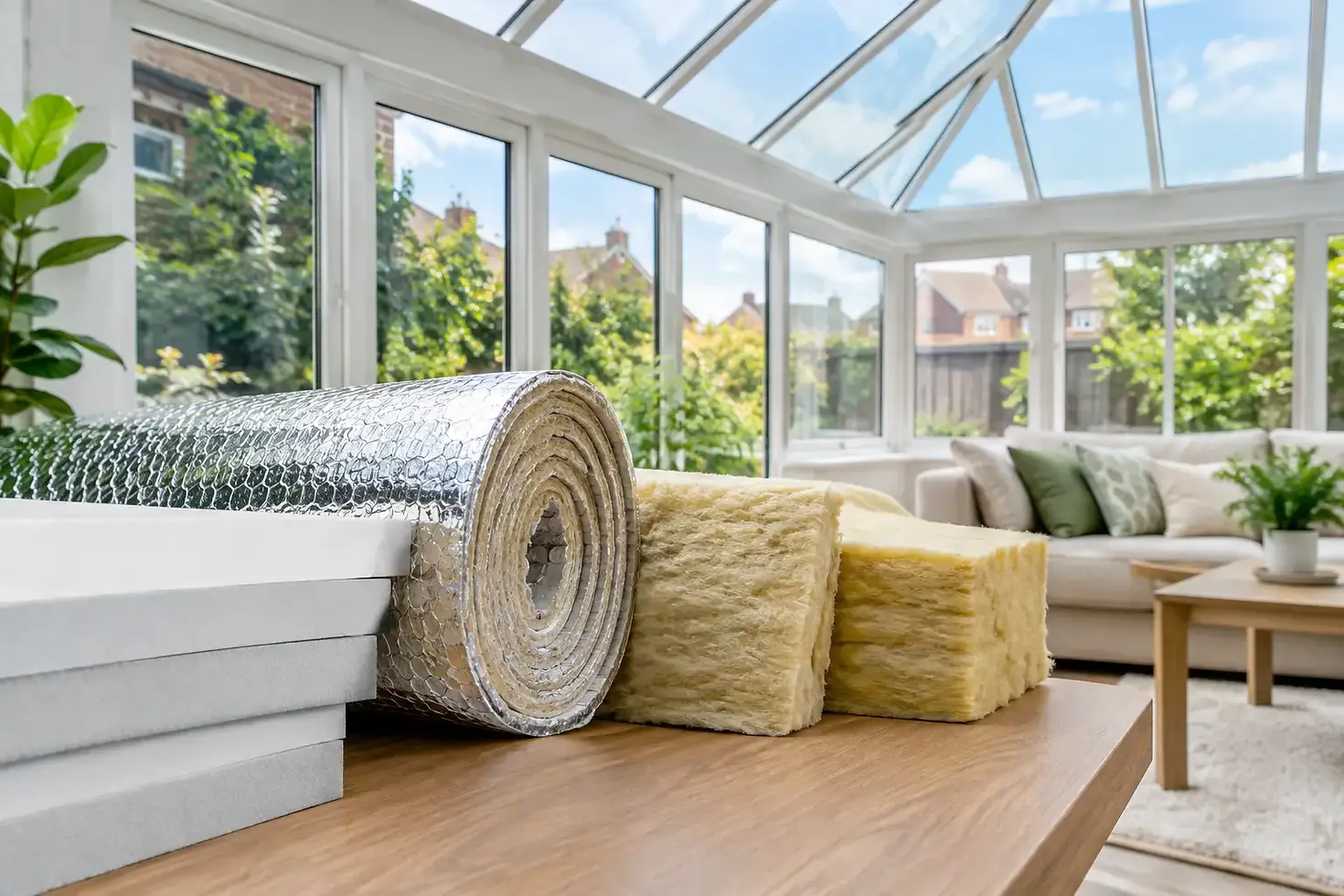
Internal roof insulation is fitted beneath an existing conservatory roof, normally using insulated boards and a finished internal ceiling. It is a popular route for homeowners who want a warmer, more homely room without replacing the roof structure entirely.
Its main benefit is improved thermal performance. It can reduce heat loss through an older polycarbonate or glazed roof and can soften the sound of rain. A plastered or panelled ceiling also changes the feel of the room, making it closer to an extension than a traditional conservatory.
There are trade-offs. The installation reduces the internal headroom and blocks some of the overhead light. It also needs to be designed carefully so that ventilation is not compromised and condensation does not develop between the old roof and new lining. The weight added to the existing structure must be suitable too. A professional survey is essential rather than assuming every conservatory can take the same system.
Replacing a polycarbonate roof with insulated panels
If the current roof is old, noisy or visibly deteriorating, replacing it with modern insulated roof panels can be a more dependable long-term improvement. These panels are designed to limit heat transfer and generally offer better performance than older polycarbonate sheets.
This option can retain a lighter appearance than a fully solid roof while reducing glare and improving comfort. It may be particularly appropriate where the existing frames remain in good condition but the roof covering is the weak point.
The final result depends on the panel specification, roof shape and the quality of installation. A poorly fitted replacement roof can leave gaps, cold spots or drainage problems, so it is worth choosing a system that is made to fit the conservatory rather than relying on a one-size-fits-all approach.
A tiled solid conservatory roof
A lightweight tiled roof is often chosen by homeowners who want the greatest change in how their conservatory feels. With insulation built into the roof construction, it can help keep the room warmer during colder months and less prone to overheating in strong sunshine.
It also offers a substantial visual upgrade. Internally, the ceiling can be finished with plasterboard and lighting, while externally the tiles can be selected to complement the main house. For properties in SW London and Surrey, where conservatories are frequently visible from neighbouring homes or gardens, that finished appearance can be an important consideration.
However, a tiled roof is not automatically right for every property. It reduces the natural light that comes from above and usually costs more than a simple internal lining. The supporting frames and foundations must be assessed for additional loading, and Building Regulations may apply depending on the work and the conservatory layout. A reputable installer should explain these points clearly before recommending the system.
A hybrid glass and solid roof
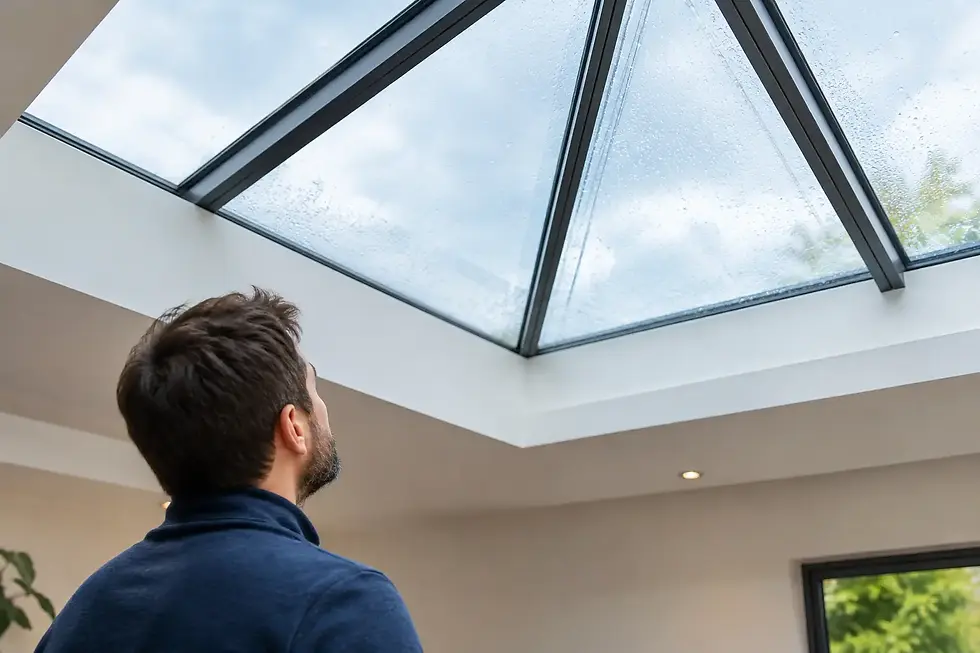
A hybrid roof combines insulated solid sections with glazed panels or roof windows. It is a strong choice where a homeowner wants better thermal control but does not want to lose all the light that made the conservatory appealing in the first place.
The solid sections reduce solar gain and heat loss, while the glazed areas preserve a brighter feel. This balance works well for north-facing rooms that need as much daylight as possible, or for conservatories adjoining a kitchen or living room where blocking light into the house would be a concern.
The key is proportion. Too much glass can recreate the original overheating issue, while too much solid roof can leave the room feeling enclosed. A tailored design should consider orientation, shading from trees or neighbouring buildings, and where the sun falls during the hottest part of the day.
Upgrading the glazing and frames
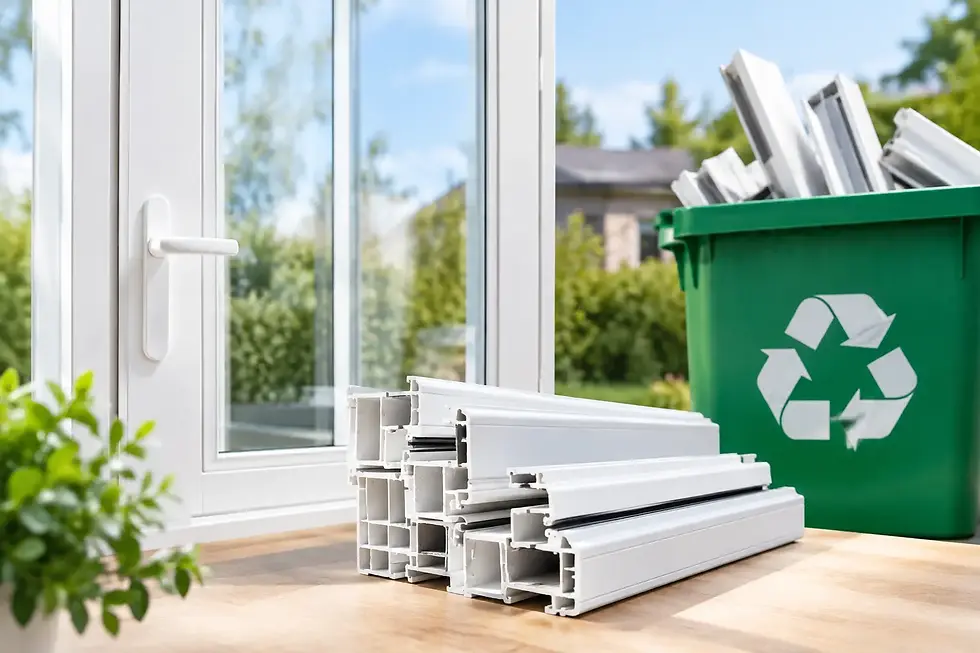
A roof upgrade will not fully resolve comfort issues if the windows and doors are old or poorly sealed. Modern double glazing with low-emissivity glass, quality seals and efficient uPVC frames can reduce heat loss and help control solar gain. In some cases, replacing failed double-glazed units is enough to improve a conservatory that is otherwise sound.
Look for glass chosen for its intended position. Roof glass must manage sunlight differently from vertical window glass, and privacy or self-cleaning coatings may be useful depending on the setting. Opening windows, roof vents and doors should also be checked. Fresh air is vital for managing humidity and preventing the room from feeling stuffy.
Blinds, shutters and secondary measures
Blinds and thermal curtains have a role, particularly as a lower-cost improvement. Pleated roof blinds can reduce glare and provide an extra barrier between the room and cold glass, while reflective blinds can help during sunny spells. They are most effective as part of a wider solution, not as a substitute for an underperforming roof or failed glazing.
External shading can also help limit overheating before the sun reaches the glass. This may suit certain south- or west-facing conservatories, although it changes the external appearance and needs to withstand the weather.
How to choose the right insulation route
Start by identifying the real problem. If the conservatory is mostly too cold, heat loss and draughts are likely to be the priority. If it becomes unusable in summer, solar gain, ventilation and shading need more attention. If both are true, a roof replacement or hybrid system often provides a more balanced answer than a single add-on.
It is also worth considering how the room connects to the house. Keeping the internal doors open may make a cold conservatory feel more comfortable, but it can draw heat from the main living areas. Conversely, a well-insulated conservatory may be used more often, so the heating arrangement should be reviewed as part of the project.
Budget matters, but so does the expected lifespan of the work. Blinds may offer a quick improvement, while a replacement roof can provide a more lasting transformation and improve the appearance of the property. The best value is usually the option that addresses the condition of the existing structure rather than the cheapest initial price.
Questions to ask before work begins
Before choosing between conservatory insulation options, ask whether the existing frames, foundations and roof structure are suitable; how ventilation and condensation will be managed; what effect the work will have on light levels; and whether Building Regulations approval is required. You should also receive clear details of the product warranty and the installation workmanship guarantee.
At Filus, a proper home survey is used to assess the whole conservatory, not just the surface that appears to be causing trouble. That makes it easier to specify a solution that suits the property, the family using it and the finish you want to achieve.
A conservatory should feel like a natural part of your home, not a room you avoid for half the year. The right improvement begins with an honest look at what is already there, then a design that brings warmth, light and ventilation into better balance.

Comments