


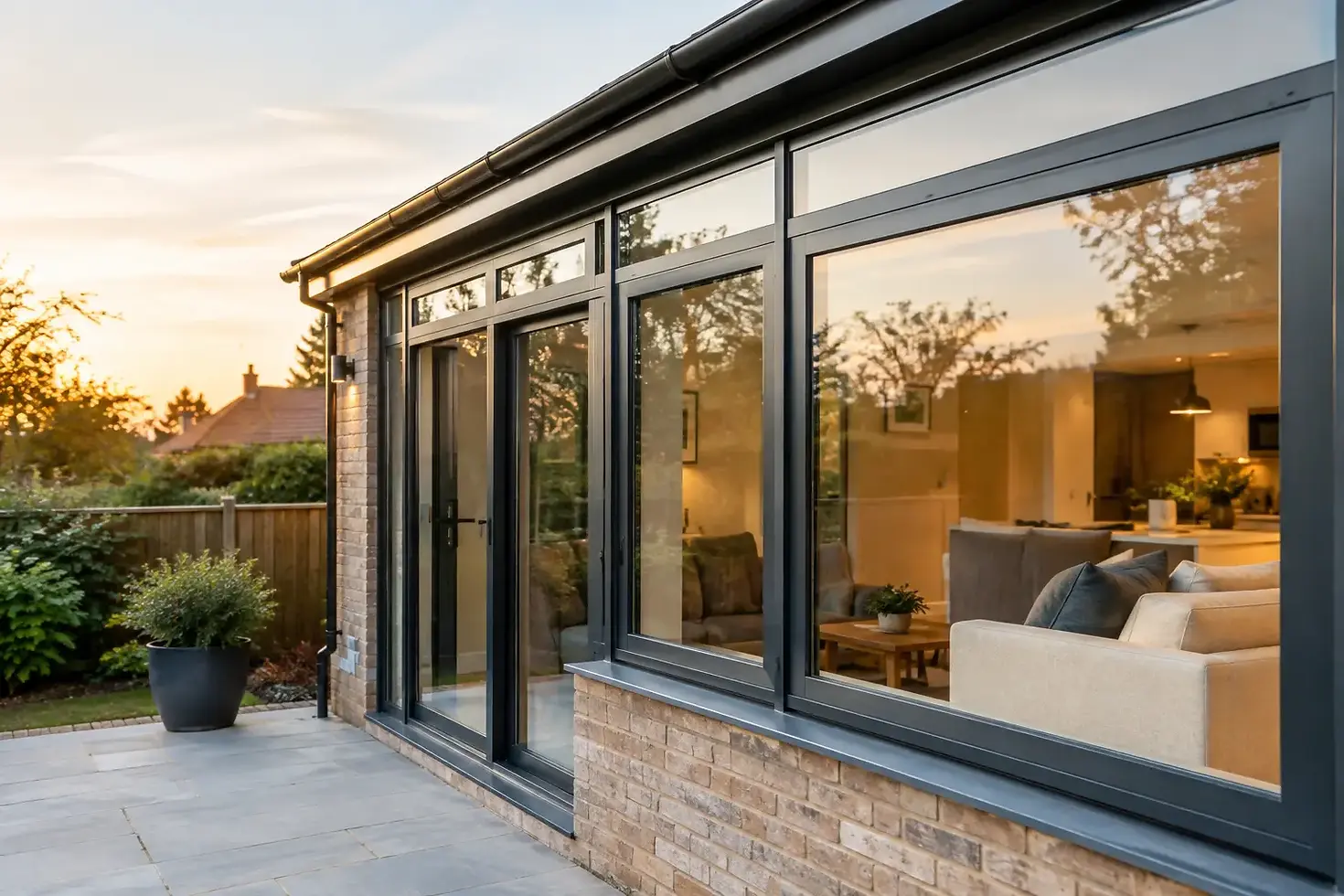
Ewell Glazing Project Example for a Warmer Home

A home can look perfectly sound from the pavement while feeling cold around the windows, noisy at rush hour and difficult to heat evenly. This Ewell glazing project example shows how a considered replacement window project can address those everyday frustrations without losing the character that made the property appealing in the first place.
The example is illustrative, but it reflects the questions many homeowners in Ewell raise when older double glazing has reached the end of its useful life: should the windows simply be replaced like-for-like, is triple glazing worthwhile, and how can the finished result improve comfort as well as kerb appeal?
The starting point: ageing windows and uneven comfort
The property in this example is a family home with original-style white uPVC casement windows installed many years ago. Although the frames were still broadly secure, the homeowners had noticed several signs of decline. Rooms facing the road felt noticeably noisier, there was a draught near the lounge bay, and condensation regularly formed on the inside of the bedroom panes on cold mornings.
Their heating was working harder than expected, yet the house did not feel consistently warm. The downstairs rooms were comfortable once heated, but bedrooms cooled quickly overnight. Visually, the window frames had also begun to look tired, with dull finishes and opening sashes that no longer operated as smoothly as they should.
This is a common point at which replacement glazing becomes less about one fault and more about the overall performance of the home. A new window should fit properly, retain heat, provide reliable ventilation and complement the building. Choosing solely on the basis of the lowest quote can leave important details unresolved.
Ewell glazing project example: choosing the right specification
The first step was an in-home consultation and detailed survey. Rather than assuming every opening needed the same product, the specification was considered room by room. The road-facing elevation required stronger acoustic performance, while the rear rooms benefited most from improved thermal efficiency and clear views of the garden.
The homeowners chose made-to-measure REHAU uPVC casement windows in white, retaining the familiar look of the property while gaining modern multi-chambered frames and energy-efficient double glazing. A slim sightline was important, particularly in the bay window, as overly bulky replacement frames can reduce the glass area and change the proportions of a home.
For the front elevation, acoustic laminated glass was discussed as an option for the panes most exposed to traffic noise. This does add to the cost, so it is not automatically necessary for every property. In this case, concentrating the upgrade where it would make the greatest difference offered better value than specifying it throughout the house.
The glazed units were selected with low-emissivity glass, which reflects warmth back into the room while allowing useful daylight to pass through. Warm-edge spacer bars were also included to reduce heat transfer at the edge of the sealed unit and help lower the risk of internal condensation around the glass.
Why double glazing was the practical choice
Triple glazing can offer excellent thermal performance, but it is not always the best answer. It is heavier, can cost more and may provide a smaller improvement where the rest of the property has other sources of heat loss, such as insufficient loft insulation or poorly sealed doors.
For this Ewell home, high-quality double glazing provided a sensible balance of energy efficiency, appearance and budget. The priority was replacing poorly performing units with carefully fitted, modern windows rather than paying for a specification that exceeded the needs of the property.
Planning the installation around the household
A good installation begins before the fitting team arrives. Once the final survey confirmed the measurements, opening styles, glass choices and handles, the windows were manufactured to order. This avoids the compromises that can come with off-the-shelf sizes and helps achieve a neat finish around each reveal.
The household needed to remain in the property during the work, so the installation was planned in stages. The team worked through each elevation methodically, removing and replacing windows one at a time where possible. This limited the time any room was exposed to the weather and made it easier for the family to carry on with normal routines.
Care was taken to protect internal flooring and furnishings around each opening. Old frames were removed, the brickwork was checked, and any gaps were prepared before the new units were installed, levelled and securely fixed. The perimeter was then insulated and sealed to create a weather-tight finish.
This part of the project deserves attention. Even a well-made window can underperform if it is poorly fitted. Gaps, inadequate sealing and rushed finishing can contribute to draughts, water ingress or heat loss. Homeowners should feel able to ask how the installer will protect the home, deal with unexpected issues and finish internal and external trims.
The details that changed the finished appearance
Replacing windows presents an opportunity to improve small details that have a large visual effect. In this example, the homeowners selected matching white handles and discreet trickle vents positioned to maintain the clean lines of the frames. The casement layout was designed to echo the original window arrangement rather than introducing a style that felt out of place.
Trickle vents can sometimes be overlooked because they are not the most visible feature. However, controlled background ventilation is useful for managing moisture in occupied homes, particularly in bedrooms and kitchens. They should be selected and positioned carefully, as homeowners understandably want ventilation without unnecessary draughts or an awkward appearance.
The existing internal boards were retained where possible, with tidy finishing around the reveals. Outside, the new frames were sealed neatly against the brickwork, giving the front of the property a sharper, more cared-for appearance without changing its essential character.
Results the homeowners could feel every day
The most immediate difference was comfort. The cold spot near the bay window was reduced, and rooms heated more evenly. The new seals and properly fitted frames helped limit draughts, while the improved glass specification softened the impact of road noise in the front rooms.
There was also a noticeable change in how the house looked. Fresh, well-proportioned frames made the exterior feel brighter and more maintained. That matters whether a homeowner is planning to stay for years or wants to protect the future appeal of the property.
Energy bills are influenced by many factors, including heating habits, insulation levels and energy prices, so it would be unrealistic to promise a fixed saving from windows alone. What replacement glazing can do is reduce unnecessary heat loss through older units and make it easier to maintain a comfortable indoor temperature. Combined with sensible heating controls and good insulation elsewhere, it can support a more efficient home.
What this project shows homeowners in Ewell
The strongest result did not come from choosing the most expensive glass or changing every visible feature. It came from matching the specification to the property and the way the family used it. The road-facing rooms received extra attention for sound reduction, the window design respected the existing façade, and installation was managed with minimal disruption.
When comparing quotes, look beyond the headline price. Ask what frame system is being supplied, how the glazing is specified, whether the survey is completed before manufacture, and what workmanship guarantee applies after installation. It is also worth checking who will manage the project if an existing opening needs repair or a finishing detail requires further attention.
A local specialist such as Filus can guide homeowners through those decisions from consultation and survey to installation and aftercare. The right replacement windows should not feel like a compromise between warmth, appearance and practicality. They should make the home quieter, more comfortable and easier to enjoy, one well-fitted opening at a time.


Comments