


Understanding External Condensation on New Windows

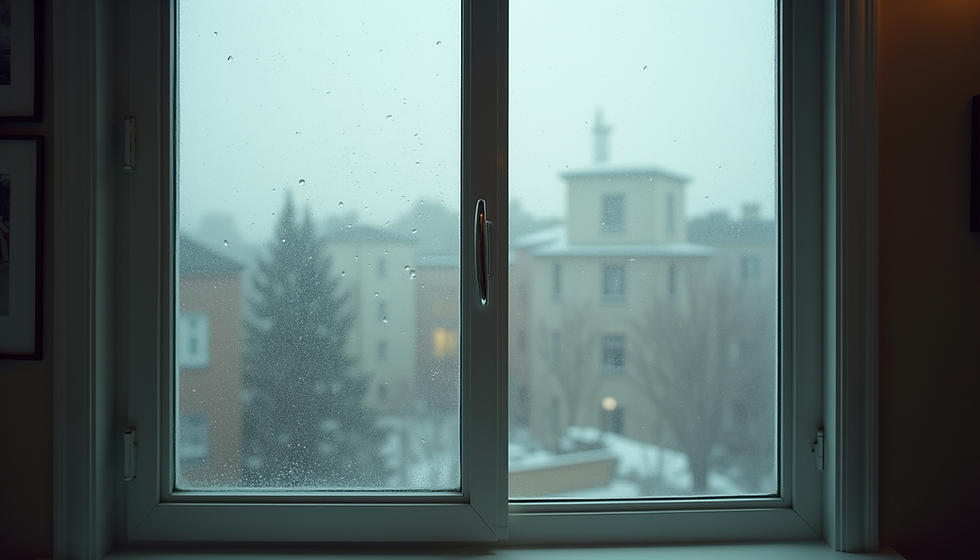
When I first noticed moisture forming on the outside of my brand-new windows, I was a bit puzzled. I had just invested in high-quality uPVC windows, expecting crystal-clear views and no fuss. But there it was - tiny droplets of water gathering on the glass, especially in the early mornings. If you’ve seen this too, you’re not alone. Let’s explore what’s really going on with external condensation on new windows and why it’s usually nothing to worry about.
What Causes Condensation on New Windows?
Condensation happens when warm, moist air meets a cooler surface. This causes the moisture in the air to turn into water droplets. With new windows, especially those made with modern, energy-efficient glass, this effect can be more noticeable.
Here’s why:
Energy-efficient glass keeps heat inside: This means the outer glass surface stays cooler than older windows.
Cooler glass meets warm outdoor air: When the temperature drops overnight, the glass cools down quickly.
Humidity in the air condenses on the glass: This is the moisture you see as droplets.
This process is very similar to what happens when you see dew on grass in the morning. It’s a natural reaction to temperature and humidity changes.

Why Does This Happen More on New Windows?
New windows are often double or triple glazed, with airtight seals that prevent heat loss. While this is fantastic for keeping your home warm and reducing energy bills, it also means the outer pane can get quite cold compared to older, single-glazed windows.
This temperature difference encourages moisture in the air to settle on the outside of the glass. It’s a sign your windows are doing their job well by keeping the warmth inside.
Understanding Condensation on New Windows: Inside vs Outside
It’s important to know the difference between condensation on the inside and outside of your windows. Each has different causes and solutions.
Inside condensation: Usually caused by high indoor humidity, poor ventilation, or cold surfaces inside your home. This can sometimes lead to mould or damage if not addressed.
Outside condensation: Happens when the outside air is humid and the glass surface is cooler than the air. This is generally harmless and disappears as the day warms up.
If you notice moisture on the outside of your windows, it’s often a sign of good insulation and energy efficiency. It’s not a defect or a sign of poor installation.

Is it normal to have condensation on new install windows?
Absolutely! It’s quite common to see condensation on new install windows, especially during certain weather conditions. Early mornings, cool evenings, or humid days can all trigger this effect.
Here are some key points to keep in mind:
It usually happens in the first few months after installation: Your new windows are settling in and adjusting to the environment.
It’s more common in spring and autumn: When temperature swings between day and night are more extreme.
It should clear up as the day warms: Sunlight and warmer air evaporate the moisture naturally.
If condensation appears between the panes of glass, that’s a different issue. It could mean the seal has failed, and you should contact your installer. But surface condensation on the outside is typically no cause for concern.
How to Manage and Reduce Window Condensation
While external condensation on new windows is normal, there are a few things you can do to manage it and keep your windows looking their best:
Improve air circulation: Open windows or use extractor fans to reduce indoor humidity.
Use a dehumidifier: This helps especially in rooms prone to moisture like kitchens and bathrooms.
Keep gutters and drains clear: Prevent water pooling near your windows which can increase humidity.
Wipe down windows in the morning: If condensation bothers you, a quick wipe with a soft cloth can help.
Consider landscaping: Avoid planting dense shrubs right next to windows where moisture can linger.
Remember, external condensation is a sign your windows are energy-efficient. It’s a small trade-off for the warmth and comfort they provide.
When to Seek Professional Advice
If you’re ever unsure about the condensation on your windows, it’s best to get a professional opinion. Here are some signs to watch for:
Condensation trapped between the glass panes.
Persistent dampness or mould around window frames.
Windows that don’t clear up as the day warms.
Any damage to seals or frames.
A trusted local specialist can inspect your windows and reassure you or recommend any necessary fixes. For homeowners in SW London and Surrey, finding a reliable expert who understands local weather patterns and building styles is key.
I hope this helps you feel more confident about the little droplets you might see on your new windows. It’s a natural part of how modern windows work and a sign they’re keeping your home cosy and energy-efficient. If you want to learn more about external condensation on new windows, or need advice on custom-made uPVC windows and doors, don’t hesitate to reach out to your local specialists.
Your home deserves the best, and understanding these little quirks is part of enjoying your investment for years to come.
Comments