


uPVC Door Repairs: What Can Be Fixed at Home?

A front or back door that sticks, lets in a draught or needs a firm shoulder to close is more than an everyday annoyance. It can affect warmth, security and the way your home feels each time you come and go. The good news is that many uPVC door repairs are straightforward when the underlying cause is identified early - but some faults need professional attention before they damage the lock, hinges or frame.
For homeowners, the key is knowing the difference between a simple adjustment and a sign that the door or its components are reaching the end of their useful life.
The common signs a uPVC door needs attention
uPVC doors are designed to be durable and low maintenance, but they are not completely maintenance-free. Daily use, changing temperatures and the natural settling of a property can all affect how a door sits in its frame.
A door may need repair if it catches on the frame, drops when opened, feels difficult to lock, allows a noticeable draught around the edges or has condensation between the panes of its glazed unit. You may also hear grinding from the mechanism, find that the handle feels loose, or notice the key will not turn smoothly.
These symptoms are worth addressing promptly. Forcing a stiff handle or lifting a dropped door into position every day can place extra strain on the multipoint locking mechanism. What starts as a relatively small alignment issue can then become a more involved lock repair.
uPVC door repairs that are often possible
Whether a repair is practical depends on the door's age, construction and condition. A sound uPVC frame and door slab can often remain in service for many years, even if individual parts need replacing or adjustment.
Door alignment and hinge adjustment
A door that catches at the bottom corner or has uneven gaps around the frame has often dropped slightly on its hinges. This is particularly common with heavier doors, including doors with large glazed panels, after prolonged use.
Modern adjustable hinges can usually be repositioned to raise, lower or move the door sideways. Correct adjustment helps the sash sit squarely within the frame, reducing rubbing and allowing the locks to engage as intended. It is a small job in principle, but accurate adjustment matters. Over-adjusting one hinge can create pressure elsewhere and make the problem worse.
Lock and handle faults
If the handle moves but the door will not lock, the issue may be with the multipoint locking strip, gearbox or keeps fitted to the frame. Sometimes the lock is functioning properly but cannot engage because the door is out of alignment. In other cases, worn internal components are the cause.
A loose handle can often be tightened or replaced. A worn cylinder can also be replaced without changing the whole door. However, if a key is sticking, the handle is unusually hard to lift, or the mechanism jams while the door is open, avoid forcing it. A qualified door specialist can assess whether an adjustment, replacement gearbox or new locking mechanism is required.
Security should always guide this decision. A repair should restore the door's secure locking performance, not simply make it easier to close for the time being.
Failed double-glazed units
Condensation or misting between two panes is a sign that the sealed unit has failed. The uPVC frame itself may still be in excellent condition. In many cases, the glass unit can be measured and replaced, preserving the existing door and improving its appearance and thermal performance.
It is worth checking for related issues at the same time, such as damaged glazing gaskets, cracked panes or draughts around the panel. Replacing the glass alone will not solve a poor fit around the door or a failing lock.
Worn seals, panels and letterplates
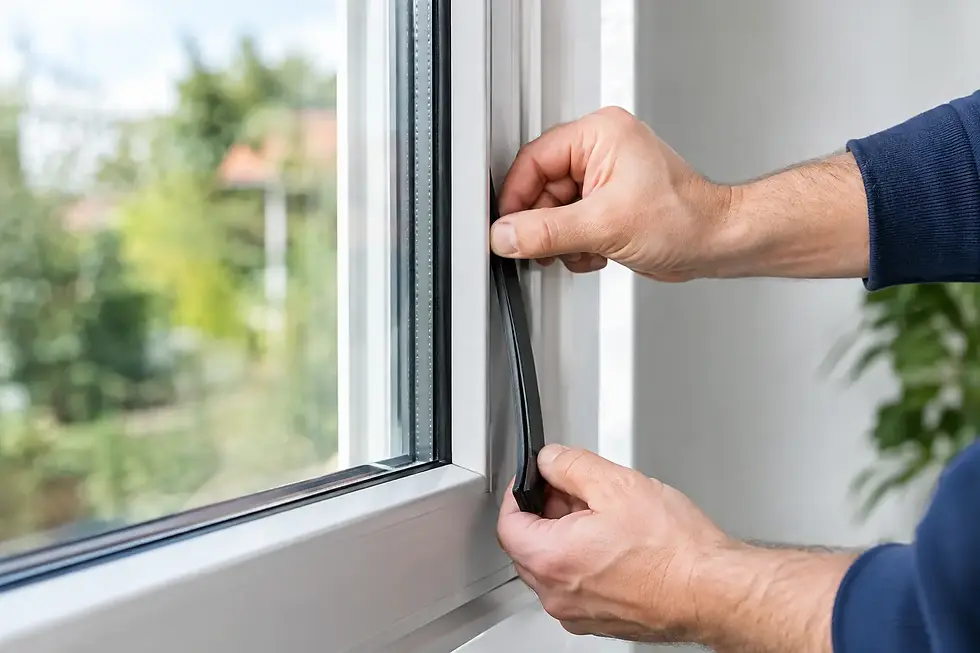
Rubber seals can flatten, split or pull away over time, allowing cold air and rainwater to find a path indoors. Replacement seals can make a marked difference to comfort, provided the door is aligned correctly. Similarly, a cracked lower panel, tired letterplate or damaged threshold can often be renewed without replacing the full door set.
Colour fading and surface marks are different matters. A gentle clean with warm water and mild detergent is usually suitable for uPVC. Abrasive cleaners, solvents and aggressive scrubbing can damage the finish, so they are best avoided.
When a repair may not be the best value
Repairing a door makes sense when the structure is sound and the fault is confined to a replaceable part. Replacement becomes more sensible when there are several problems at once, or when the door no longer offers the performance your home needs.
For example, a door with recurring lock failures, warped panels, extensive draughts and outdated glazing may cost more to keep repairing than to replace. Older doors may also lack the insulation, weather resistance and security features available in a modern made-to-measure uPVC or composite door.
The same applies when there is visible damage to the frame, persistent water ingress or significant movement that cannot be corrected through hinge adjustment. A professional survey can establish whether the issue lies with the door itself, the frame, the threshold or the original installation.
Replacement is not always the automatic answer. A well-made door with a failed sealed unit or worn lock may be an excellent candidate for repair. The right choice comes down to the condition of the complete door system, the likely lifespan of the repair and the standard of comfort and security you expect.
Simple checks homeowners can carry out safely
Before arranging a visit, a few observations can help describe the problem clearly. Open and close the door gently and look for the point where it catches. Check whether the gap around the door appears even, and note whether the problem changes in very cold or warm weather.
With the door open, operate the handle and locking points without forcing them. If they move freely while open but become difficult when closed, misalignment is a likely cause. Look at the seals for obvious tears and inspect the glass for misting between panes.
Do not remove the locking mechanism or attempt to dismantle hinges unless you are confident in the process. Door hardware is under load, and an incorrect adjustment can leave a door insecure or prevent it from opening properly. If the door is stuck shut, will not lock, or shows any sign of compromised security, it is best to seek help without delay.
Preventing avoidable door problems
A little routine care can prevent minor issues from becoming more costly repairs. Clean the frame, drainage channels and threshold periodically so dirt does not build up around moving parts. Keep the drainage holes clear, particularly after autumn leaves and heavy rain.
Moving hardware benefits from occasional light lubrication with a product suitable for door locks and hinges. Avoid applying oil indiscriminately to every part of the mechanism, as this can attract grime. It is also sensible to check screws on handles and hardware from time to time, without overtightening them.
Most importantly, do not ignore a change in how the door closes. A door should shut and lock with controlled, reasonable pressure. If it suddenly needs lifting, pushing or repeated attempts to secure, arranging an inspection early can protect the more expensive components inside.
Choosing help you can trust
Good uPVC door repairs start with an accurate diagnosis, not a quick fix. A reputable local specialist should inspect the door's alignment, locking points, hinges, seals, glazing and frame before recommending work. They should also explain plainly whether the proposed repair is likely to provide a lasting result.
For homeowners in SW London and Surrey, that local, practical approach matters. Filus can assess whether your door needs a careful adjustment, replacement components or a new made-to-measure solution that better suits your home.
A door should feel secure, close properly and keep the weather where it belongs. Acting when the first signs appear gives you the best chance of restoring that everyday confidence with the simplest appropriate repair.


Comments