


What Are Flush Casement Windows?
If you are comparing replacement windows, flush casement windows often stand out straight away. They have a cleaner, more traditional look than standard casement styles, but they also suit plenty of modern homes. For many homeowners, the question is not just what are flush casement windows, but whether they are the right choice for the property, the budget and the finish they want.
What are flush casement windows?
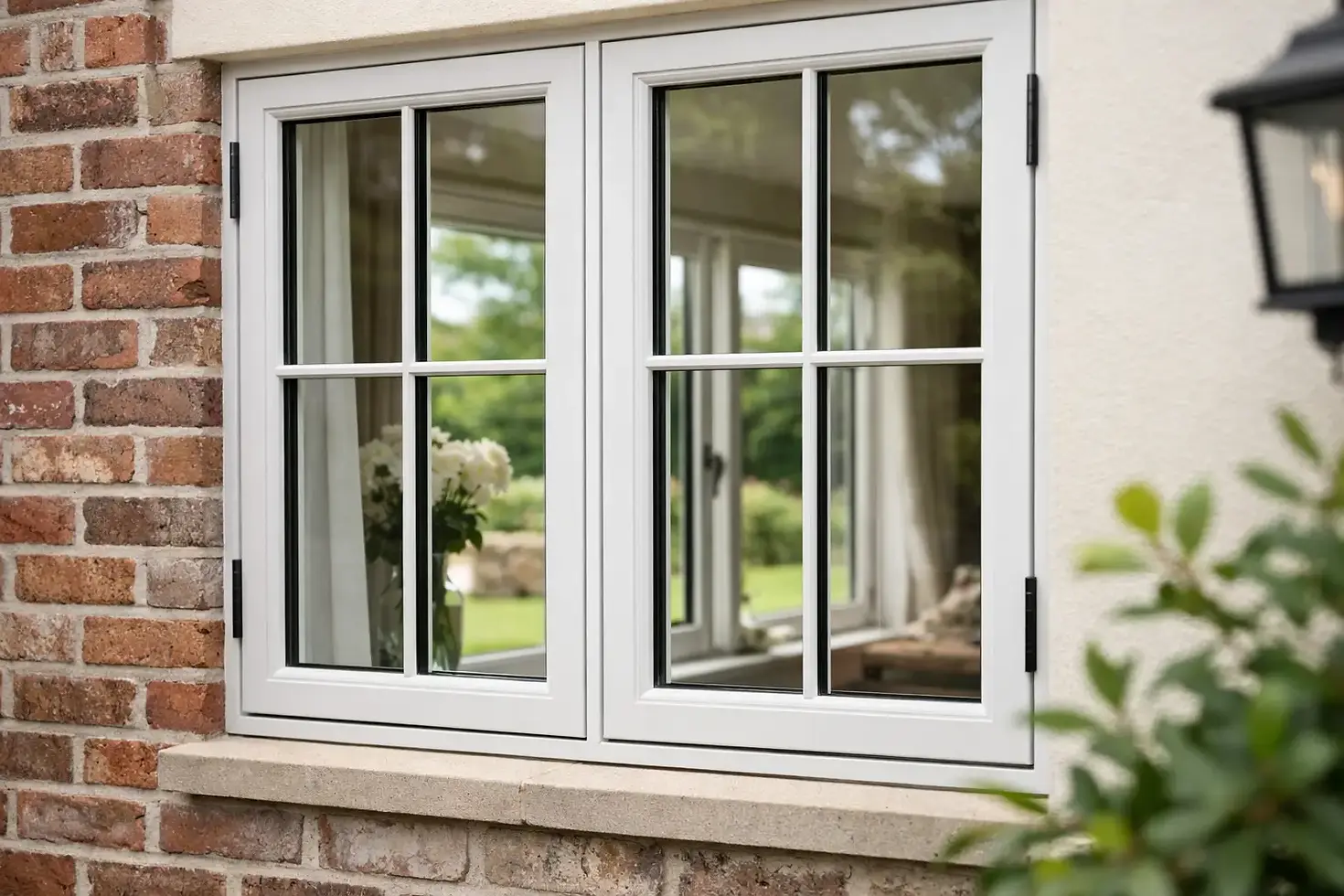
A flush casement window is a window where the opening sash sits level with the outer frame when it is closed. That is the key difference. On a standard casement window, the sash usually overlaps the frame and projects slightly outward. On a flush casement design, the surface is flatter and more streamlined.
This creates a neater appearance from outside and, depending on the design, can give a property a classic timber-style look or a more understated contemporary finish. The effect is subtle, but it changes the character of the window quite noticeably.
Flush casement windows are available in a range of materials, although many homeowners now choose high-quality uPVC versions because they combine the visual appeal of traditional joinery with lower maintenance and strong thermal performance.
Why homeowners choose flush casement windows
The main reason people choose this style is appearance. Flush casement windows have a refined, balanced look that works particularly well on period homes, cottages, heritage-inspired renovations and properties where standard sculptured frames can appear a little too bulky.
That said, they are not limited to older homes. On newer houses, flush frames can look smart and simple, especially in neutral colours such as white, cream, grey or black. If you want windows that do not dominate the front of the house, this style often feels more considered.
There is also a practical side. Modern flush casement windows can offer very good energy efficiency, secure locking systems and dependable everyday performance. So while people are often drawn in by the look, the appeal is not purely cosmetic.
How flush casement windows differ from standard casement windows
The difference sounds small, but it affects both style and feel. With a standard casement, the opening part of the window sits proud of the frame. With a flush casement, it closes into the frame so the face is level.
That flatter finish tends to look more traditional and less obvious from the outside. It can also give the window a more handcrafted appearance, especially when paired with features such as woodgrain foils, Georgian bars or period-style hardware.
Inside the home, the difference is usually less dramatic, but from the kerb it can be significant. If you are trying to preserve the character of a property, or simply want a smarter exterior, this is often where flush casement windows earn their place.
Are flush casement windows traditional or modern?
The honest answer is both.
Historically, flush window styling is associated with traditional timber windows, particularly in period properties. That is why flush casement designs are often chosen for homes where owners want to keep a classic appearance without the maintenance demands of painted wood.
At the same time, modern manufacturing has made it possible to produce flush casement windows with crisp lines, slim sightlines and a more contemporary feel. The final look depends on the frame profile, colour, hardware and glazing bar design.
So if you are worried that flush casement windows might feel too old-fashioned, they do not have to. Equally, if you want something sympathetic to a character property, they can be a very good fit.
The main benefits of flush casement windows
For most homeowners, the biggest benefit is kerb appeal. These windows look tidy, well-proportioned and less bulky than many conventional alternatives. That can make a real difference to the overall appearance of the house.
Energy efficiency is another strong point when the windows are well made and correctly installed. Modern uPVC flush casement windows are designed with insulated multi-chambered frames and high-performance glazing, helping to reduce heat loss and improve comfort through the year.
Security matters too. A quality flush casement window should include secure locking systems, reinforced sections where needed and glazing that is fitted to modern standards. There is no reason to see flush styling as a compromise on safety.
Maintenance is often lower than homeowners expect, particularly with uPVC. You get the appearance of a more traditional window style, but without regular sanding, repainting or the same risk of weather-related wear that timber can bring.
Any drawbacks to consider?
There are a few, and it is worth being realistic.
First, flush casement windows can sometimes cost more than standard casement designs, depending on the specification. That is not always the case, but because they are often chosen as a premium-looking option, the overall quote may be higher.
Second, not all flush windows are equal. Lower-quality products can miss the mark visually, with chunkier frames or less convincing proportions. If you are choosing this style mainly for its appearance, product quality matters a great deal.
There is also the question of suitability. While flush casement windows work well on many homes, they are not automatically the best option for every property. Some houses suit a more contemporary standard casement, while others may need a design that better matches planning requirements or existing architectural details.
What are flush casement windows made from?
Today, flush casement windows are commonly available in uPVC, aluminium and timber.
For many homeowners, uPVC offers the best balance. It is durable, low-maintenance, energy efficient and available in finishes that can replicate painted or stained wood surprisingly well. This makes it a practical choice if you want traditional style with less upkeep.
Aluminium flush windows can look sleek and modern, and they are often chosen for contemporary homes. Timber remains attractive for authenticity, especially on period properties, but it does require more ongoing maintenance and usually comes at a higher cost.
The right material depends on what matters most to you - budget, appearance, maintenance or planning constraints.
Do flush casement windows improve energy efficiency?
They can, provided the full window specification is good.
The flush design itself is not the sole reason a window performs well thermally. What really matters is the frame construction, the glazing unit, the weather seals and the quality of the installation. A well-made flush casement window with efficient double glazing can help reduce draughts, improve insulation and make rooms feel more comfortable.
If your current windows are ageing, poorly sealed or single glazed, the difference can be noticeable. Many homeowners also find that replacing older units helps reduce outside noise as well as heat loss.
That said, performance varies from one product to another. It is always better to look at the actual specification rather than assuming all flush casement windows offer the same results.
Are they right for your home?
This usually comes down to three things: the style of your property, the look you want and how long you plan to stay in the home.
If your house has traditional features, flush casement windows often feel more in keeping than standard alternatives. They can also add value in a less measurable but still important way by making the exterior look more polished and considered.
If your home is newer, the decision is more about design preference. Some homeowners prefer the softer, classic look of flush frames, while others want the more familiar appearance of a standard casement profile.
It is also worth thinking about the full project, not just the window in isolation. Frame colour, glazing bar layout, cills, handles and door styles all influence the finished result. The best choice is usually the one that suits the whole property, not just a brochure image.
What to ask before you choose flush casement windows
Before making a decision, ask to see the actual frame profile rather than relying on photos alone. A window that looks elegant in marketing material can feel quite different when viewed close up.
You should also ask about energy ratings, guarantees, hardware options and whether the design is made to suit your property rather than supplied as a one-size-fits-all solution. Good installation matters just as much as the product itself, particularly if you want the windows to perform well and look right for years to come.
For homeowners in areas with a mix of period and modern housing, such as parts of Surrey and SW London, this tailored approach can be especially valuable. The right specification for a 1930s semi is not always the same as for a newer detached house.
Flush casement windows are popular for good reason. They offer a style that feels more refined than many standard window designs, while still delivering the security, efficiency and low maintenance most homeowners want. If you like the idea of windows that look considered from the outside and practical from the inside, they are well worth a closer look.


Comments